
The Death and Life of Great American Cities
Random House
“Eyes on the street” — mutual visibility as a natural mechanism of safety and social oversight.
Beyond Design · Quantitative-Spatial Research Methods
A quantitative-spatial study of the Privacy Gradient — the gradient of privacy from the street to the home — with Neighbour-Gaze and Spatial Experience as secondary layers.
The study examines how the traditional village fabric creates a gradual passage from public to private space — through measurable spatial properties.

The traditional fabric of Eilaboun — entering the village is where the research journey begins.
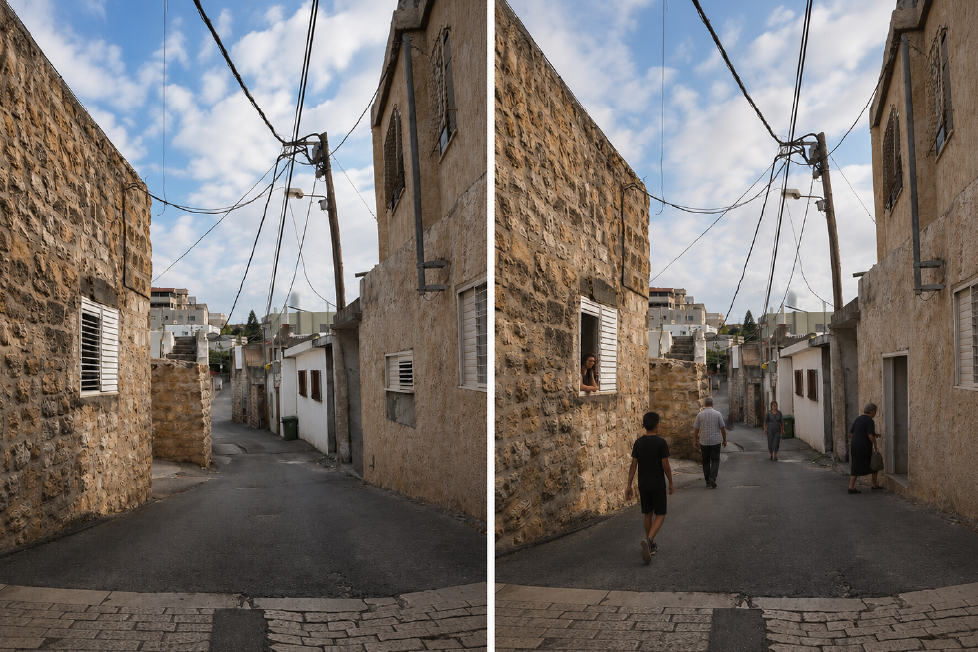
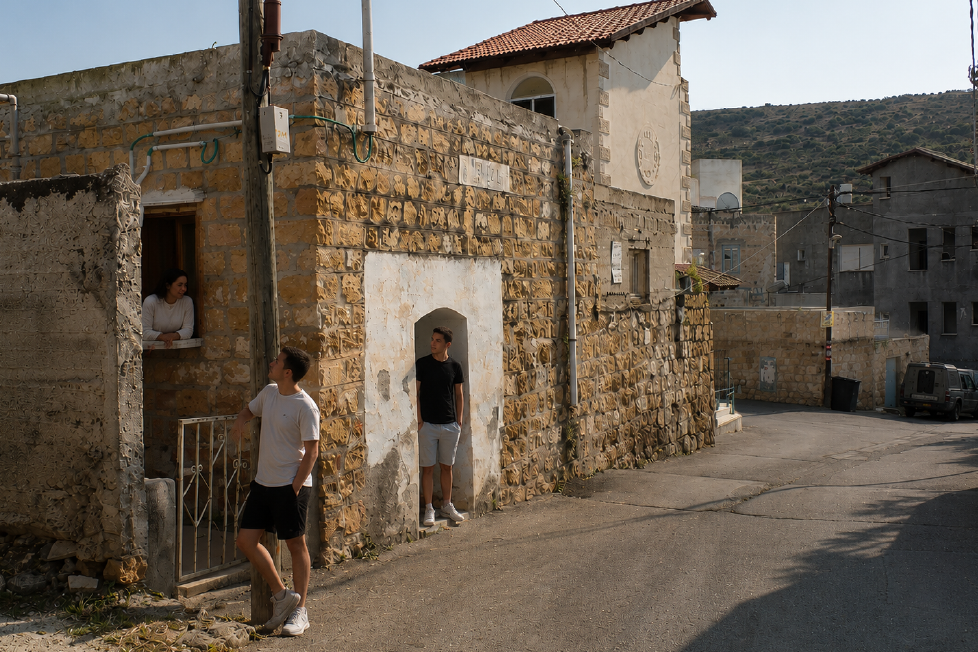
Real photographs were collected in the traditional neighbourhood. Images and video generated with AI are used only to illustrate spatial situations and ideas — visualization, not research data.
Eilaboun is an old village, lived in for centuries. Its built fabric is not the product of one culture or one period — it was built and rebuilt across generations, by different times and cultures that each left their mark, layer upon layer.
Across those periods a similar building logic held: attached houses, narrow alleys, shared walls and shared courtyards. This fabric came from economy and the saving of materials, from protection and safety, and from a strong community life — and the mutual visibility between houses was, then, an advantage.
Today life has changed: technology, transport and communication are fundamentally different — yet the physical fabric has barely changed. Which raises the question of whether that same spatial fabric still answers today's way of living, especially where privacy is concerned.
The study does not ask whether traditional architecture is better — but how it works.
Research aim and questions
Research aim
To develop a new quantitative-spatial method for measuring the Privacy Gradient in the passage from street to home. The method could later be applied to compare traditional and contemporary neighbourhoods — but that is a future application, not the core of this study.
Main research question
How is the Privacy Gradient constructed in the traditional fabric of Eilaboun, along the passage from the street to the home?
Sub-questions
Key texts — author, year and journal, with a line on what each one contributes to the study.
Random House
“Eyes on the street” — mutual visibility as a natural mechanism of safety and social oversight.
Doubleday
Privacy and interpersonal distance — proxemics and the degrees of closeness between people.
Prentice-Hall
Culture shapes architecture — climate, society and need give the house and the fabric their form.
Journal of Social Issues, 33(3)
Visual exposure and visual access — how physical properties of space dictate privacy.
Environment and Planning B, 6(1)
The isovist — a geometric tool for measuring the field visible from a single viewpoint.
Cambridge University Press
Space syntax — topological depth, connectivity and the social structure of space.
This study asks whether some of Jane Jacobs' principles can be identified in a traditional, multi-layered village fabric like Eilaboun — built over centuries and across cultures — despite a historical and cultural context entirely different from the Western cities she wrote about.
The research process
Case study: a representative entry route in a traditional residential area of Eilaboun.
Why Eilaboun: it preserves a traditional village fabric in which spatial relationships can still be read and measured.
Stage 1 Mapping the entry route: street → alley → courtyard → home
* Illustrative values only — actual measurement is carried out with spatial tools (Isovist / VGA).
Stage 2 Parameters measured at each point
All the variables are measurable — and together they form the quantitative basis of the study.
Layers of analysis
Stage 3 Building three layers of analysis
Layer 1 · Primary
The core of the study — the gradient of exposure and privacy along the route, from high exposure to high privacy.
Layer 2 · Secondary
The social visibility layer — how strongly neighbours see one another.
Layer 3 · Derived
A combined layer derived from the two above: the sense of shelter, exposure and openness.
= Privacy Gradient + Neighbour-GazeNote: Spatial Experience is derived from combining the Privacy Gradient and Neighbour-Gaze — it is not measured directly as an emotion.
Visualizations of spatial situations along the route — real photographs generated and refined with AI to illustrate the ideas of the study. Visualization only, not research data.
Final outputs
Expected insights
Next stage · future view
As a future stage, the same methodology would be applied to a contemporary neighbourhood in Eilaboun — to compare how privacy, visibility and spatial transitions have developed. That comparison is not part of the present study, but an application of it.
Limitations: the study addresses the visual dimension only. Sound, smell, social activity and the memory of a place remain a basis for further research.
Here the analysis becomes an experience: walk the route from the street to the home, switch the layers on, and read at each point how exposed, how private and how visible to the neighbours it is.
A conceptual illustration of the proposed methodology.
Spatial Experience Map
What is it? The map does not measure emotion directly. It represents the spatial experience derived from measurable variables: Visual Exposure, Neighbour-Gaze, Spatial Depth, Connectivity and the Privacy Gradient.
Why? To show that the traditional fabric does not produce absolute privacy but a gradual transition — and to translate a sense of place into a spatial measure one can design with.
How? Measuring the visual field (Isovist / VGA) at each point, weighing privacy against visibility, and colouring the route from exposed public space to sheltered private space.
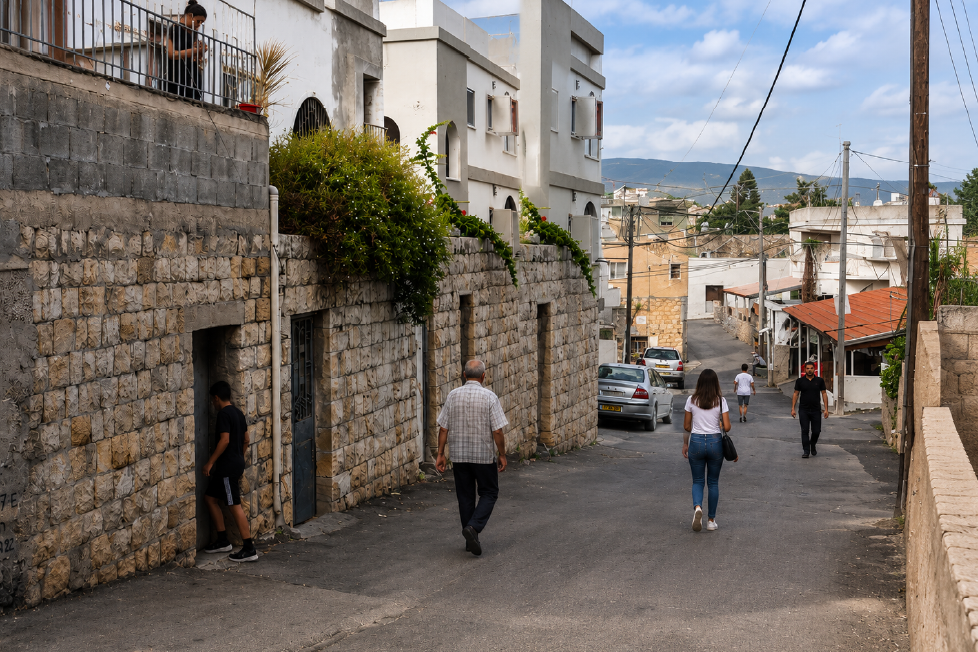
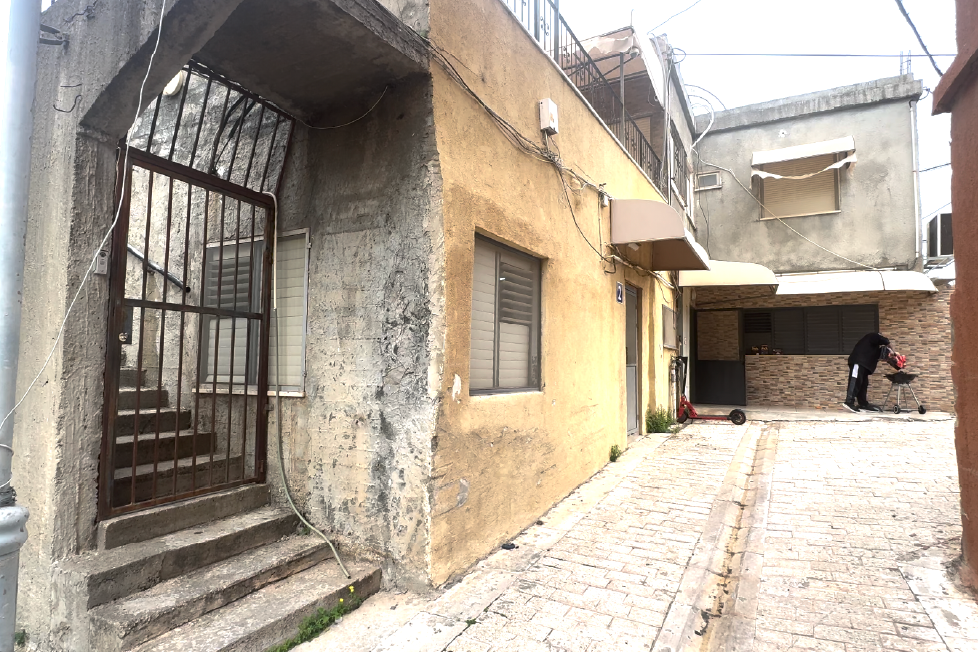
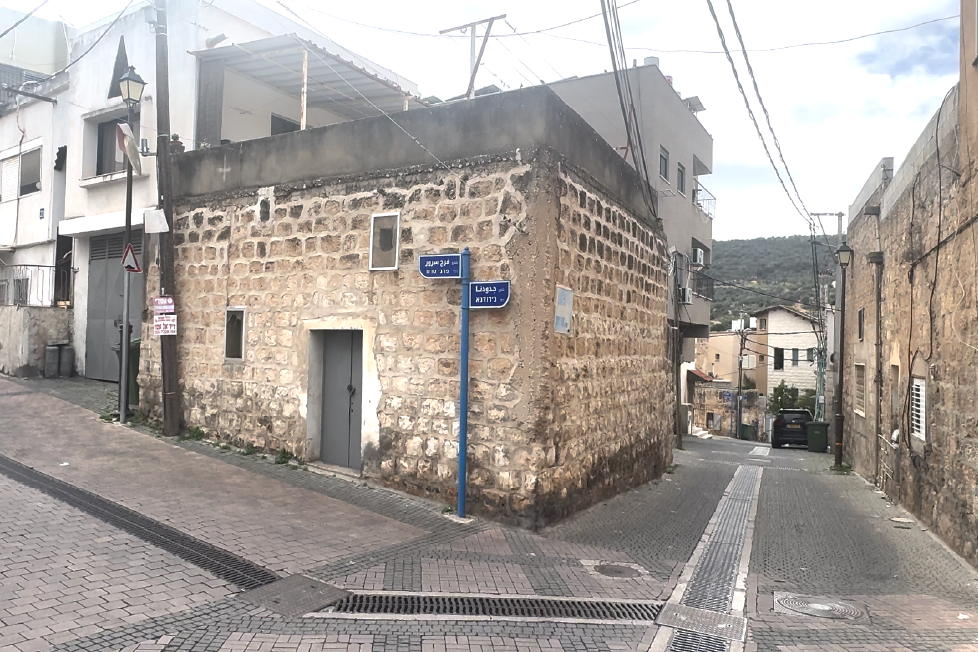
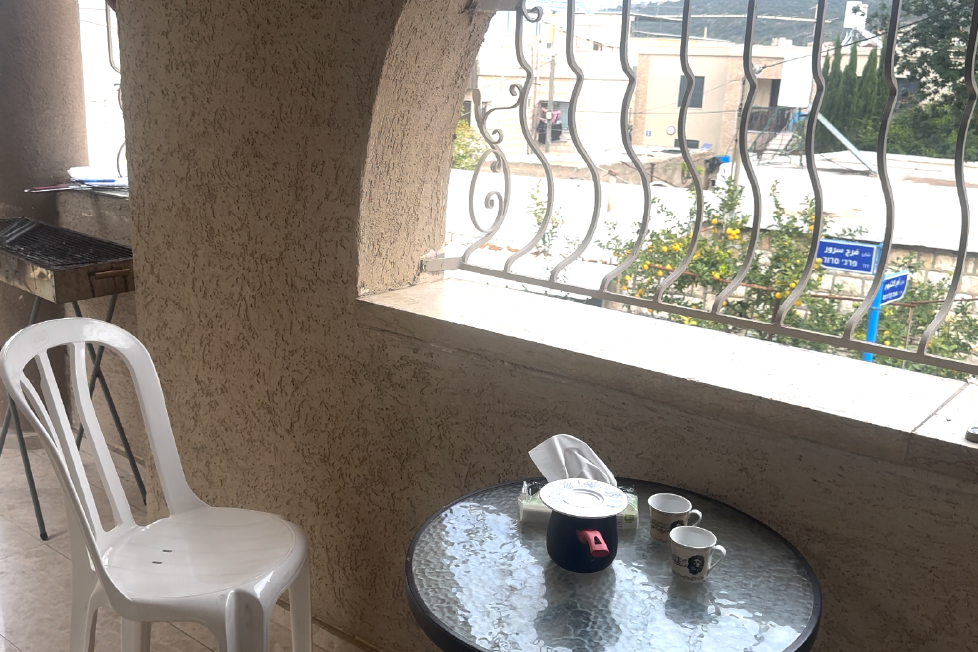
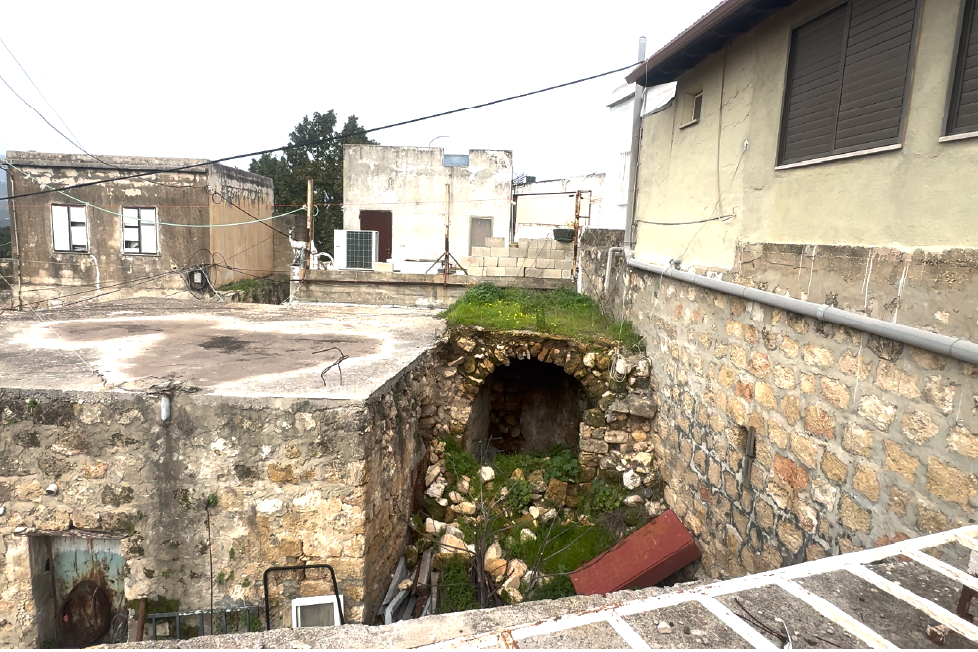
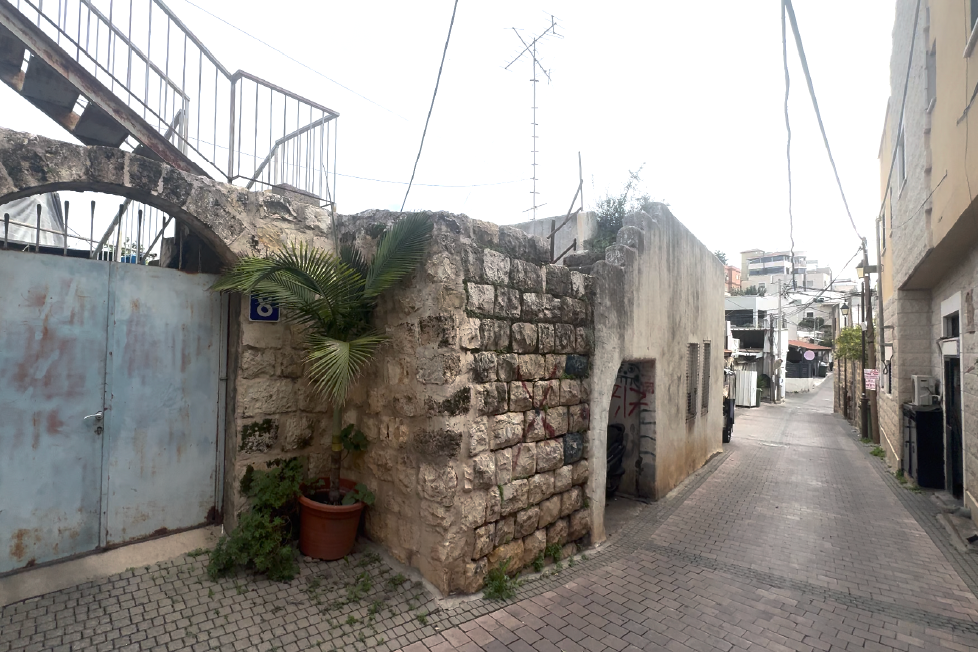
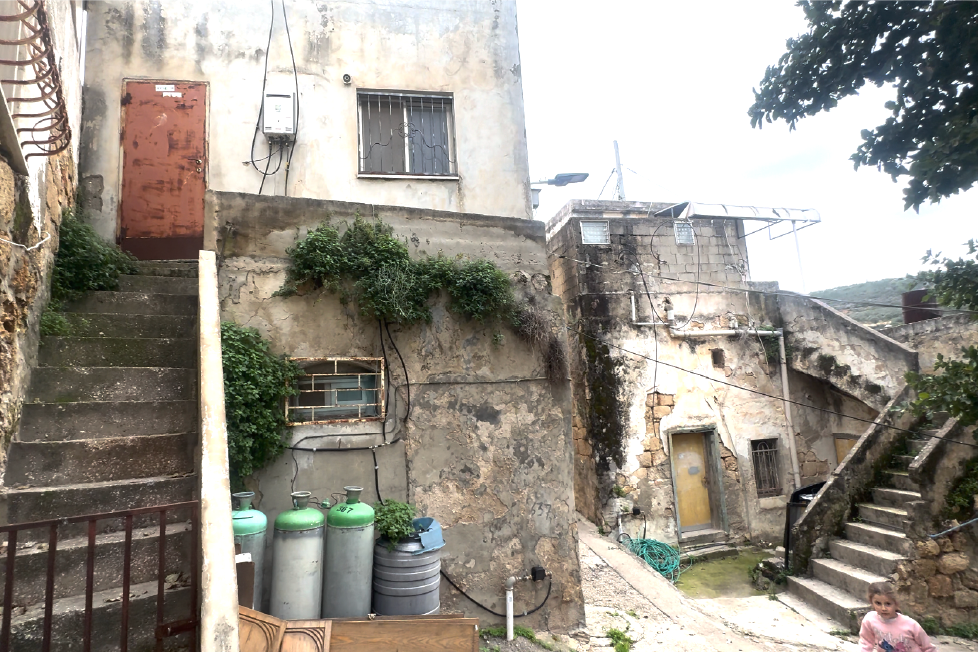
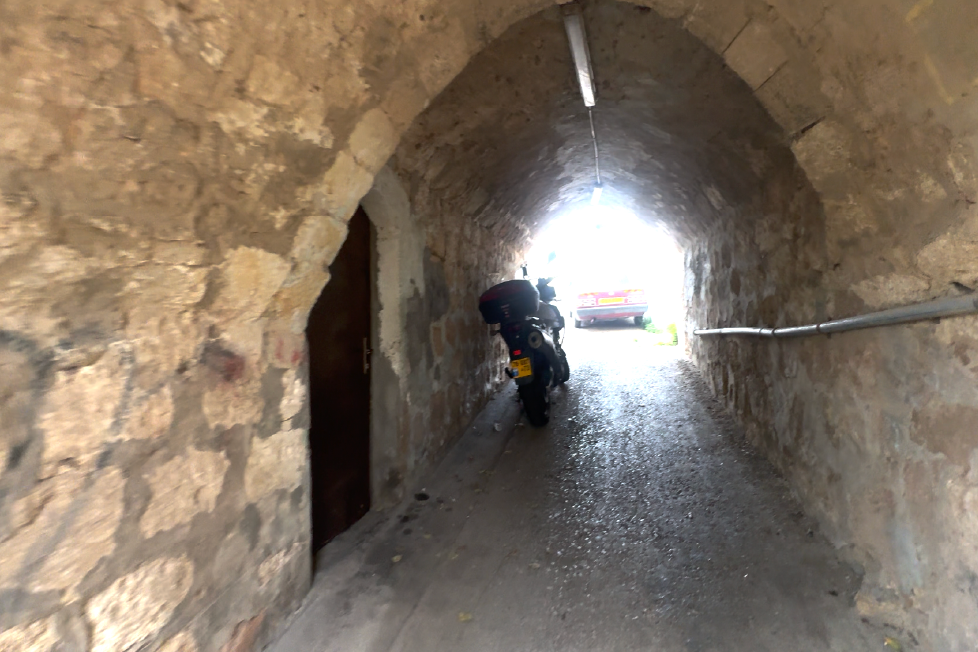
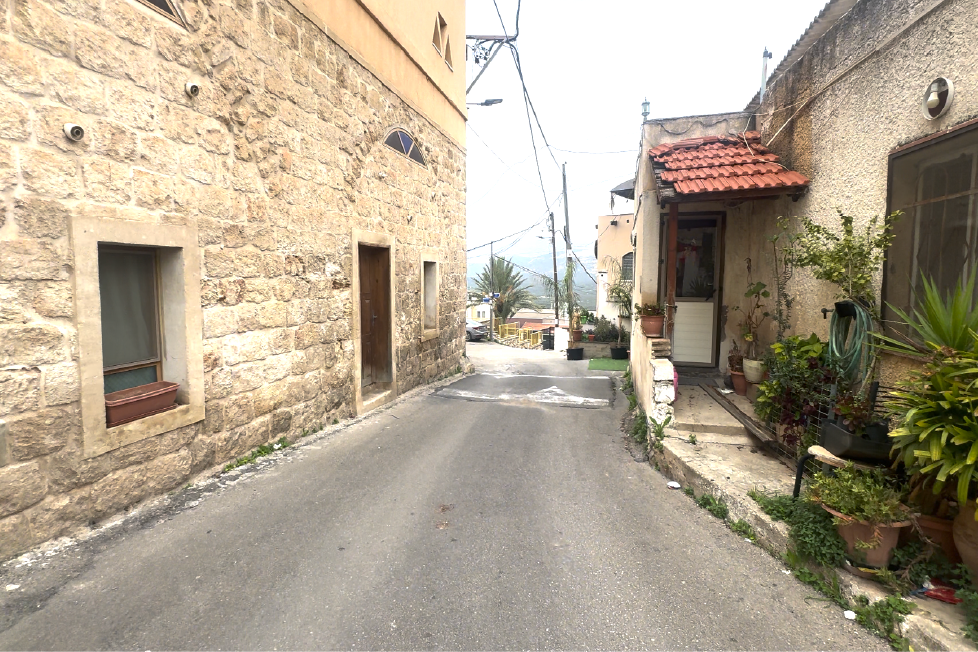
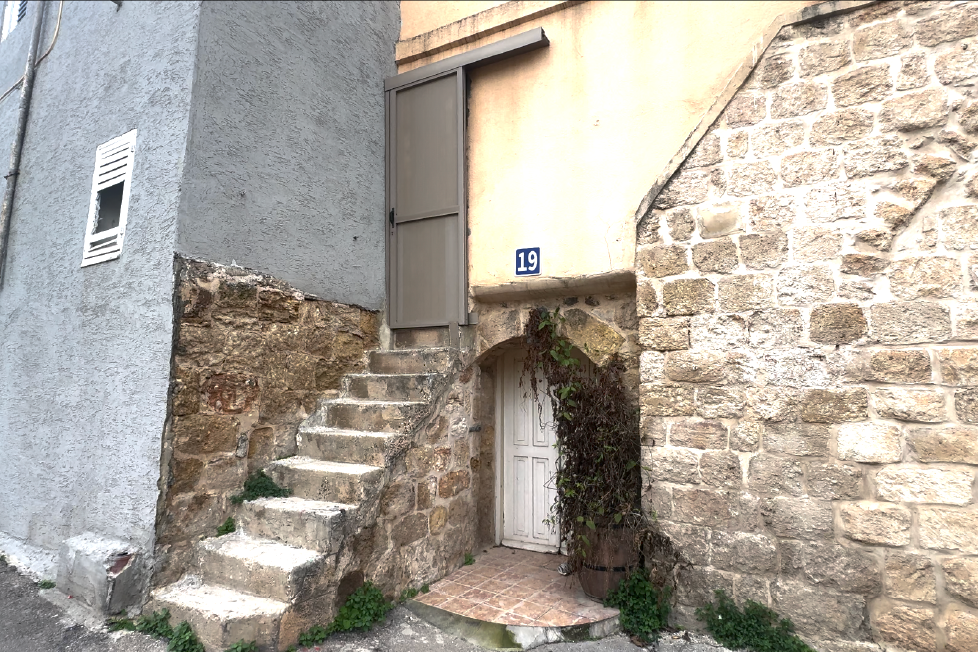
The alleys, courtyards and passages the study rests on — my own photographs from the field. Not analysis, but the place itself.
Developing a quantitative model of the Privacy Gradient for a traditional village fabric.
Bringing Privacy Gradient, Neighbour-Gaze and Spatial Experience into one analytical framework.
Testing Jane Jacobs’ principles in the context of a traditional, multi-layered village fabric.
This study proposes a new quantitative method for understanding how a traditional village fabric produces privacy, visibility and spatial experience — and asks how those principles might guide future urban design.
Can traditional spatial knowledge guide contemporary planning?