Create a Structured Learning Journey
Turn scattered learning resources into a structured path from beginner to professional.
- Course completion rate
- Learning path progression
- User retention
Product Design · UX/UI Case Study
A learning, mentorship, and opportunity platform that helps aspiring designers grow from beginners into professionals.
Design Circle is the home where aspiring designers learn the craft, connect with the community, and gain real-world experience. A platform that bridges the gap between education and professional practice, helping beginners grow into confident designers while creating value for mentors, educators, and businesses.
Self-initiated product concept · End-to-end UX/UI
Learning design is easier than ever — becoming a professional designer is not.
Beginners learn through scattered courses and tutorials with no clear path to real work — and even strong graduates feel unprepared for clients, pricing, and real experience. Meanwhile, small businesses need affordable design but can’t reach agencies.
The opportunity: one space where aspiring designers gain real experience and mentorship, and businesses get accessible design.
Turn scattered learning resources into a structured path from beginner to professional.
Give beginners feedback, real projects, and professional skills in a supportive space.
Match aspiring designers with small businesses so both sides gain real value.
Make industry trends, tools, and AI shifts accessible and actionable.
V1 — Core Experience (designed in this case study)
V2 — Future Opportunities
Research goals
Understand how beginners actually learn design, where they get stuck on the path to professional work, and what a platform would need to support them.
Methods
Built on a rare advantage: years of teaching and mentoring design students, seeing exactly where they struggle. To go deeper, I turned the problem into a structured assignment for ~90 students across several colleges — turning real users into co-designers — backed by competitive analysis.
Competitive landscape
Key insights
Beginners juggle YouTube, PDFs, and group chats, with no trusted home.
Growth needs feedback, people, and belonging, not just videos.
Knowing tools ≠ being ready for clients, pricing, or confidence.
No job without a portfolio, no portfolio without a job.
AI tools, platforms, and workflows evolve fast, leaving beginners unsure which skills to prioritize or how to stay relevant.
Every core decision traces back to a research insight — not a screen.
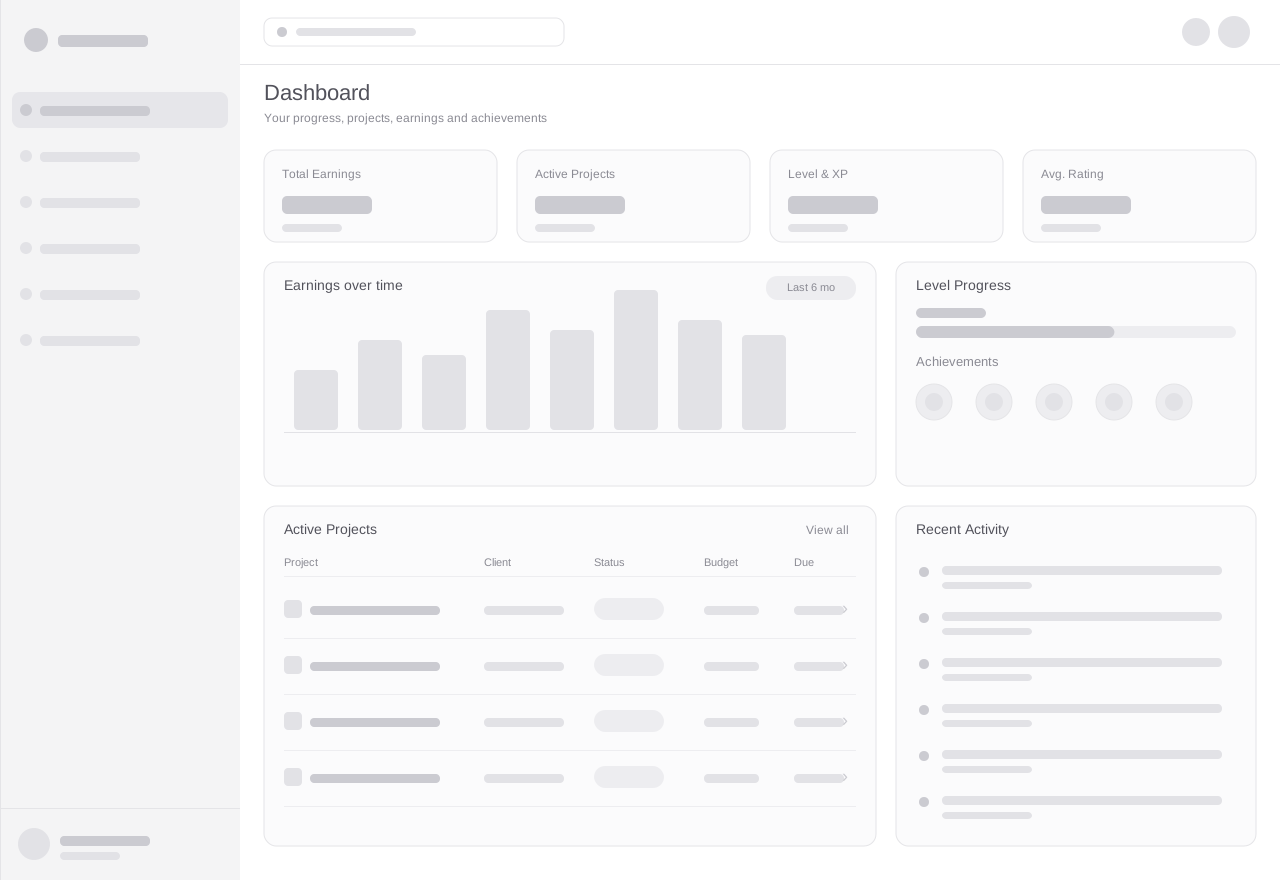
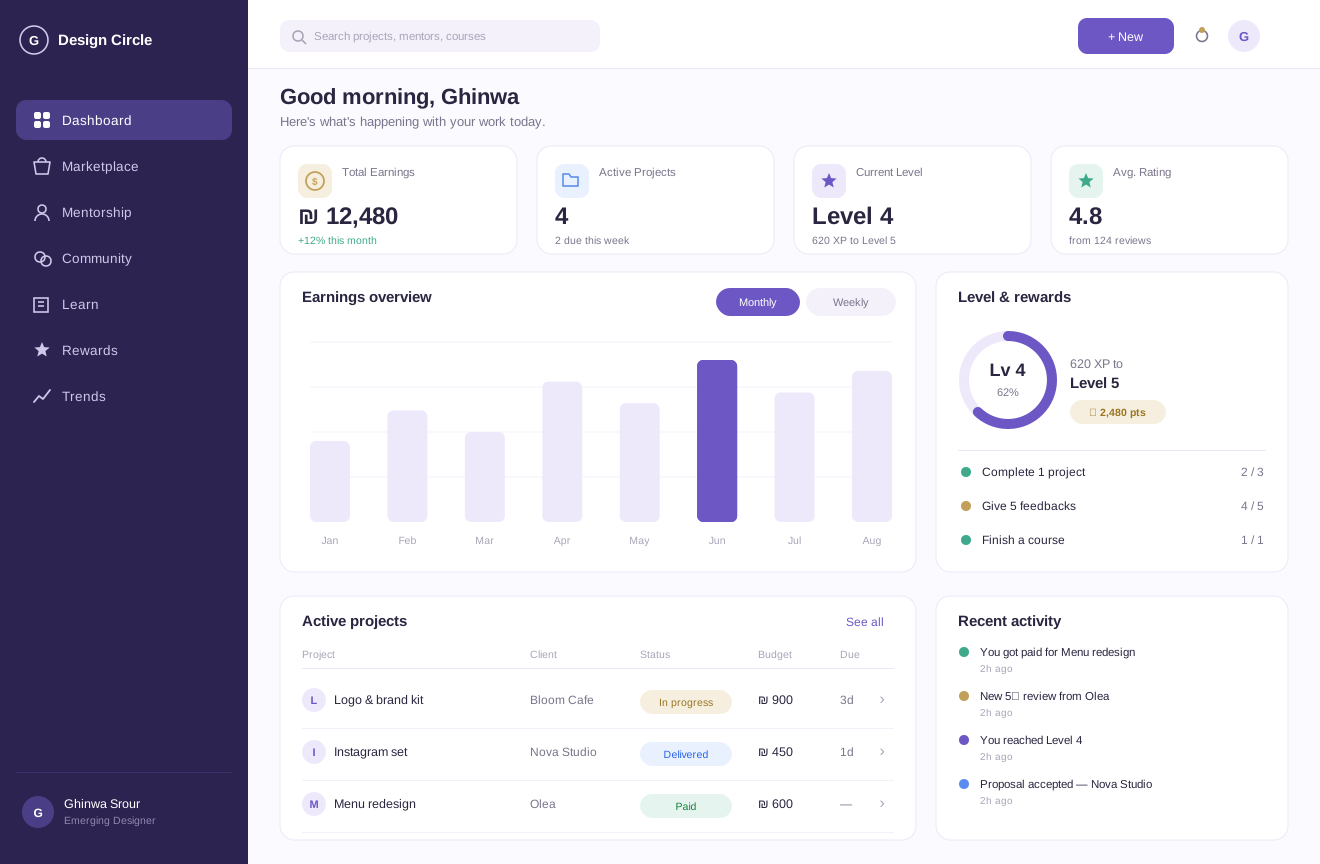
Beginners had no single place to see progress, projects, earnings, and momentum. The dashboard makes growth visible — and keeps them coming back.
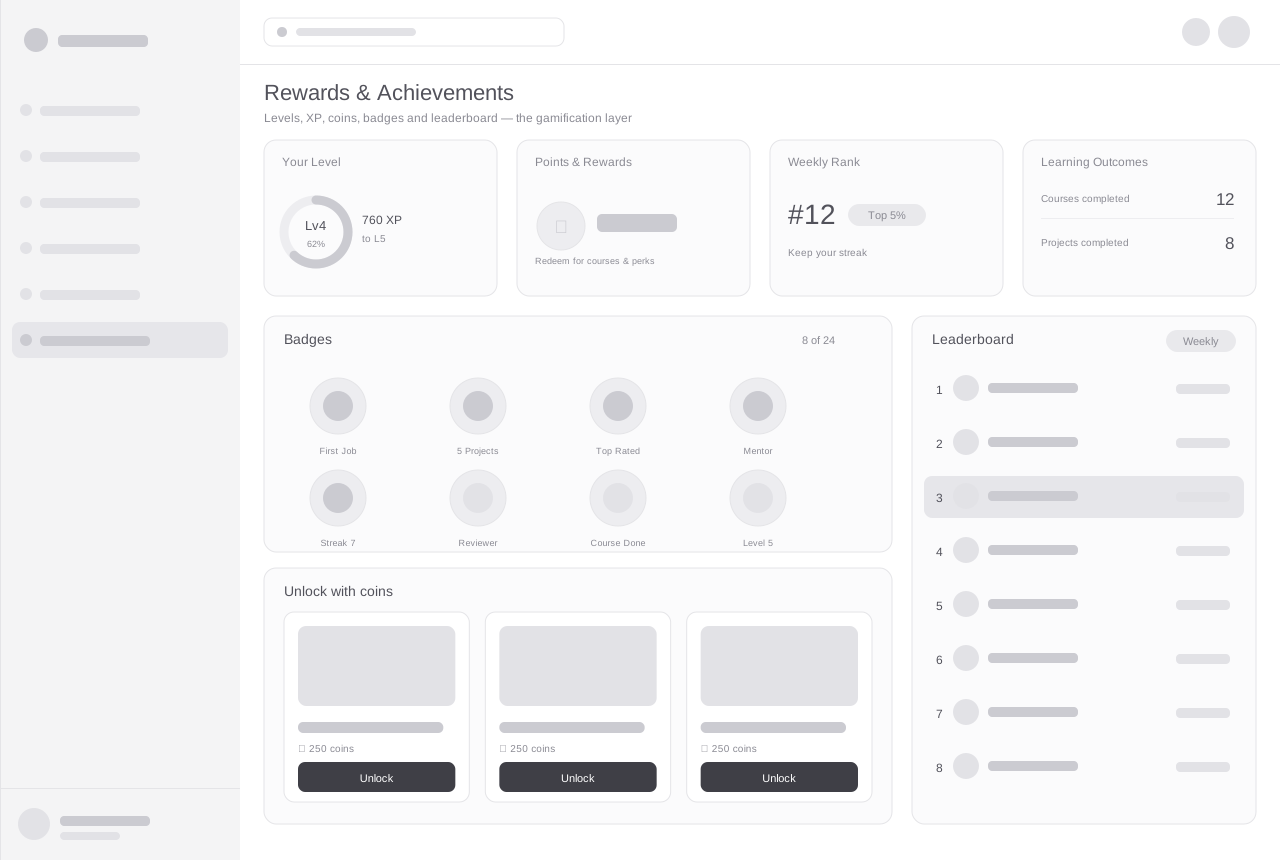
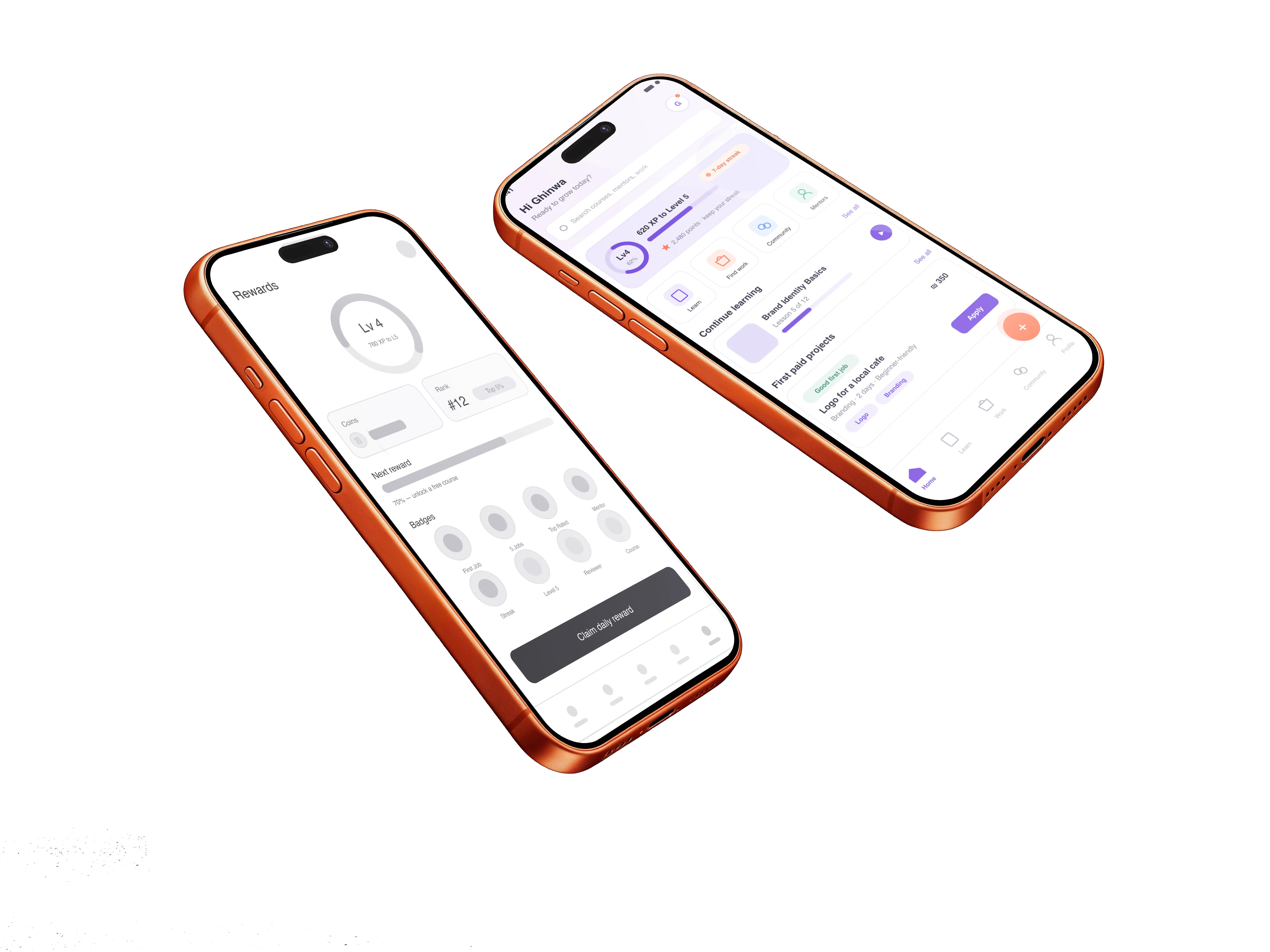
Research showed motivation and consistency were the real blockers. Levels, points, and milestones turn slow progress into visible wins.
Other platforms solve one problem each. Design Circle connects learning, mentorship, and first real paid work in one journey.
in a design program
Building skills and a first portfolio. Wants structure, feedback, and real projects to feel ready for work.
recently graduated or self-taught, not yet working
Has the skills but feels unprepared for real clients. Wants a safe first step — almost an internship.
entering design from another field
Self-teaching, juggling time. Needs a clear roadmap and an encouraging community so they don’t quit.
experienced designer
Shares knowledge, runs sessions, reviews work. Wants to teach, grow a following, and track their impact.
needs affordable design
Not ready for an agency — in budget or mindset. Wants simple, trustworthy design help.
Six core sections organize the whole experience — so a beginner always knows the next step, and the platform scales from a first lesson to a full path into the profession.
The central hub of the platform
From fundamentals to job-ready skills
Grow through feedback and peer support
Progress, earnings, and momentum at a glance
Win real briefs and first paid work
Get unstuck with 1:1 mentor guidance
Stay current with where design is heading
I mapped the core journeys end to end — each one designed to move a user from intent to a real outcome (a delivered project, a booked session, useful feedback) in as few steps as possible.
First Paid Project (Marketplace)
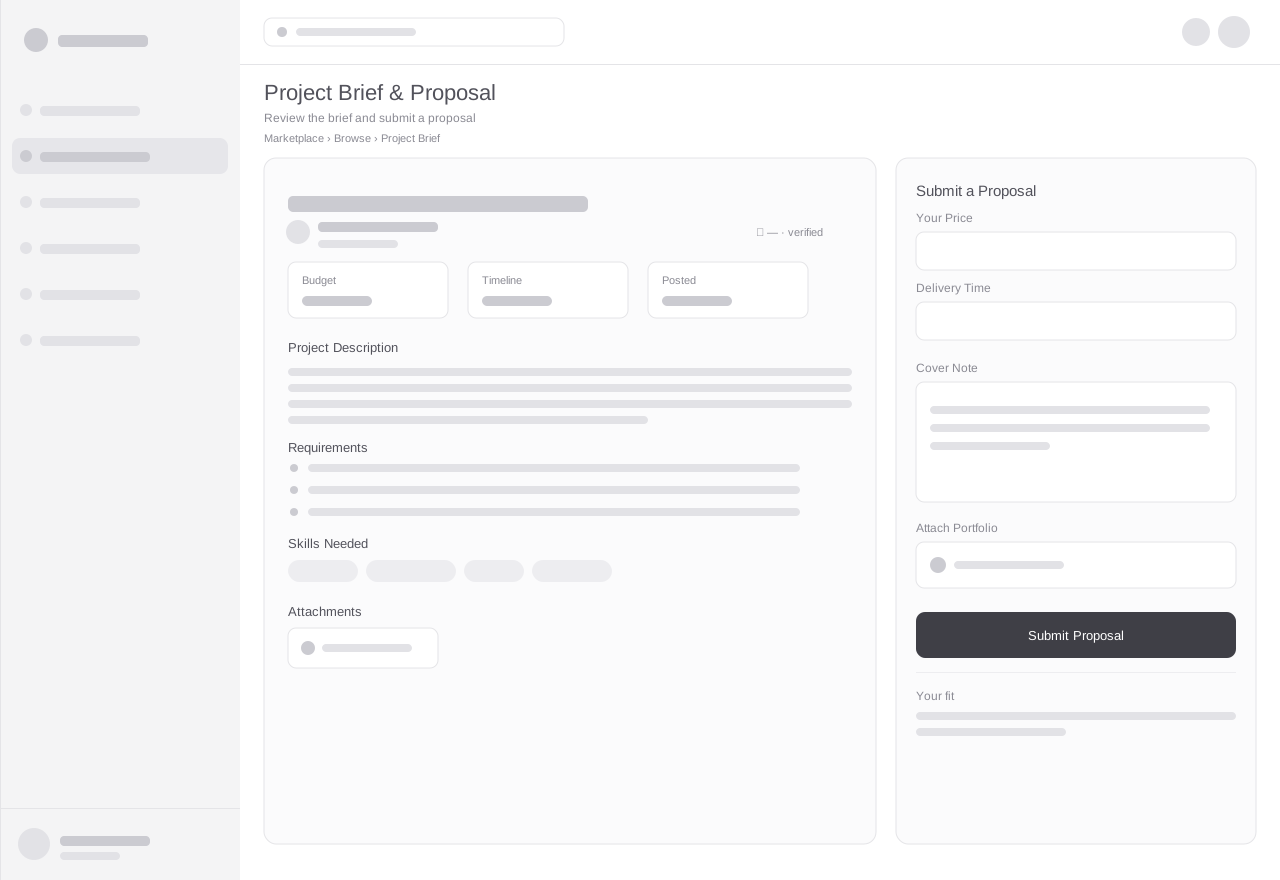
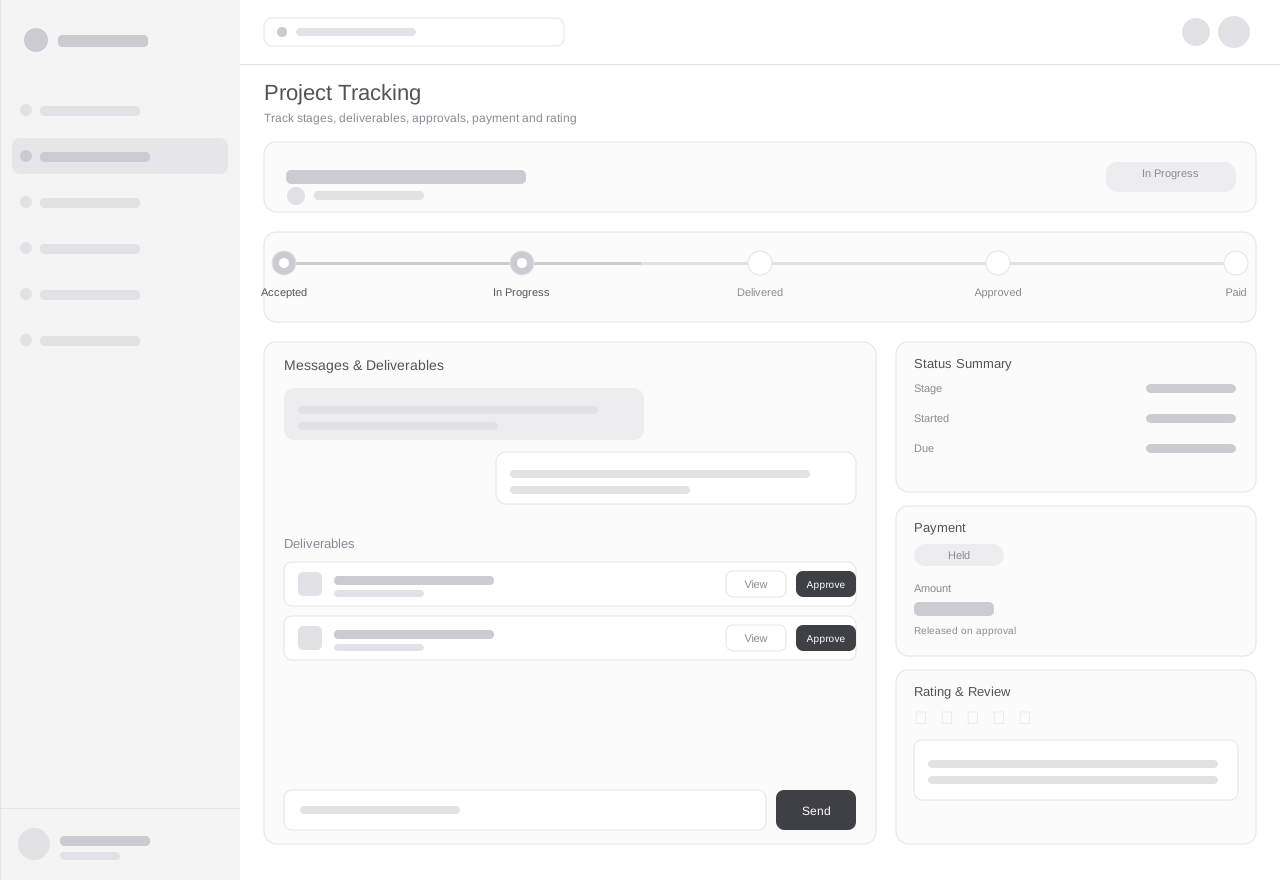
Browse Projects → Open Brief → Submit Proposal → Accepted → Collaborate → Deliver → Rating & Review → Dashboard updates earnings, experience points, and profile credibility.
Book a 1:1 Mentorship Session
Browse Mentors → Book Session → Confirm → Attend → Feedback → Dashboard Updated.
Share Work & Get Feedback
Upload Work → Receive Feedback → Discuss → Save Insights → Earn Points.
Primary — Iris
Accent — Coral
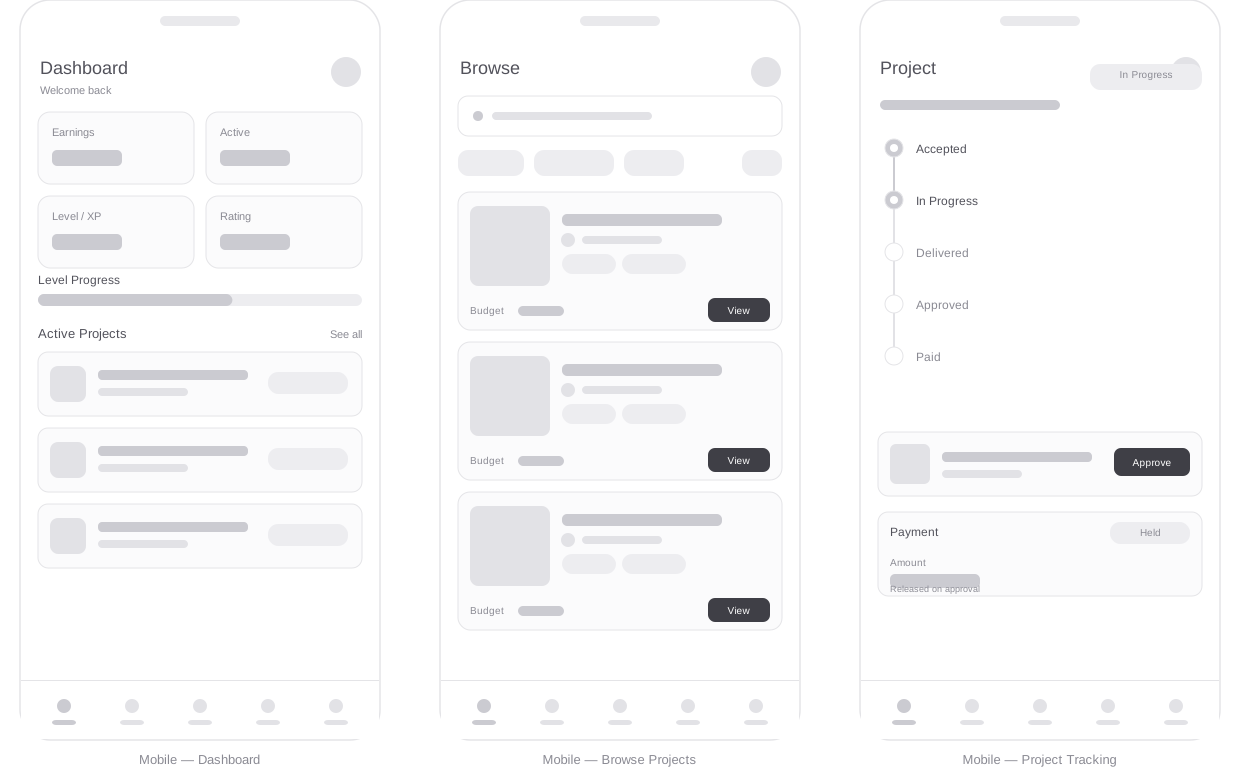
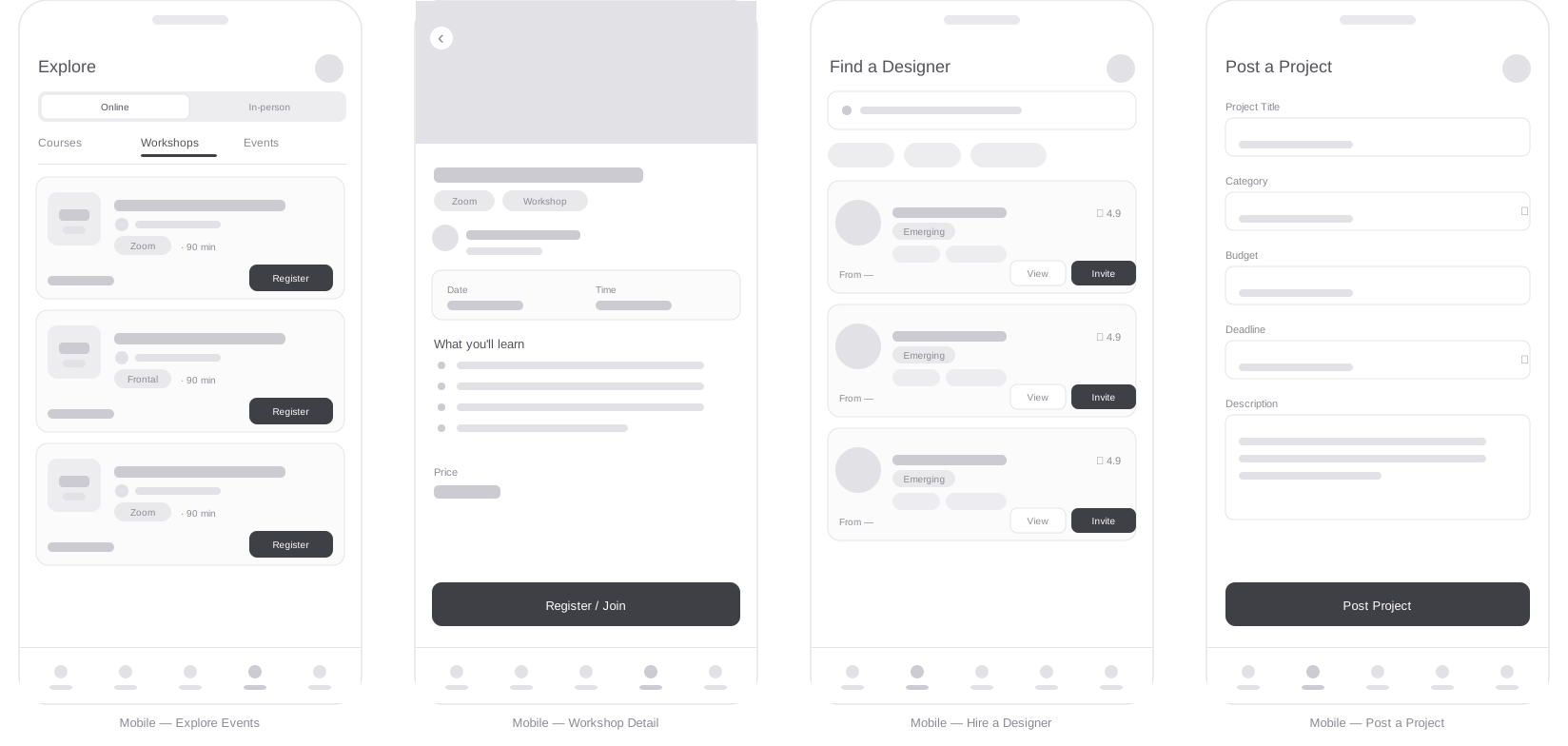
Before visual design, I mapped the core screens in low fidelity — focusing on hierarchy, layout, and data structure, not styling. The four screens below carry the product's core experience.
Mobile Experience
After validating the information architecture and flows, I translated the experience into a scalable, data-driven interface focused on clarity, progress, and engagement.
The foundations are complete — research, architecture, flows, wireframes, and the core interface. Here’s what comes next as Design Circle grows into a full product.
Selecting the final logo direction and building a cohesive brand identity — color, type, and voice — that gives the platform a distinct, trustworthy personality.
Developing a scalable design system — foundations, components, and reusable patterns — so the product stays consistent and fast to build as it grows.
Designing the remaining screens and an interactive prototype to validate the full end-to-end experience before development.
Design Circle shows how I research, structure, and design a complex, data-rich product end to end.